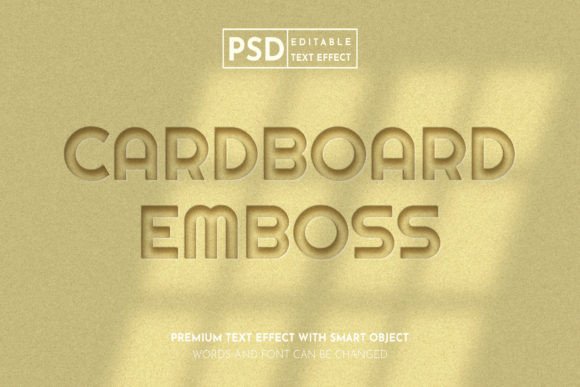
Elevating Brand Presentation with a Cardboard Embossed Realistic Mockup
In the digital landscape, the tactile quality of physical materials is often lost in translation. For designers, marketers, and brand strategists, bridging the gap between a flat digital file and the perceived texture of a printed product is a constant challenge. This is where a high-quality Cardboard Embossed Realistic Mockup becomes an indispensable asset. It allows creators to simulate the depth, shadow, and texture of embossed printing on cardboard surfaces without the cost and time associated with physical prototyping.
This resource is not merely a static image; it is a fully editable Photoshop template designed for professionals who require precision and flexibility. Whether you are preparing social media promotions for Instagram and Twitter, designing publication materials like flyers and posters, or creating event papers, this mockup provides a realistic foundation for your visual identity. By utilizing an RGB color mode and layered PSD structure, it ensures that your digital presentations remain vibrant and accurate across various screens and platforms.
The Visual Impact of Embossed Textures
Embossing is a printing technique that raises specific areas of a design, creating a three-dimensional effect that catches light and adds sophistication. When applied to cardboard, a material known for its organic, matte finish, the contrast between the smooth raised elements and the textured background creates a compelling visual hierarchy. A Cardboard Embossed Realistic Mockup replicates this interplay of light and shadow with remarkable fidelity.
For web designs and digital promotions, this level of realism serves a critical function: it builds trust. Consumers are increasingly skeptical of overly polished, sterile digital ads. A design that appears to have physical weight and texture feels more authentic and grounded. When you present a logo or headline as if it were physically pressed into high-quality cardboard, you subconsciously signal durability, craftsmanship, and attention to detail. This is particularly effective for brands that emphasize sustainability, artisanal quality, or minimalist aesthetics.
Technical Flexibility and Ease of Use
The primary value of this mockup lies in its usability. Designed for Adobe Photoshop, the file structure is optimized for efficiency. The inclusion of both PSD and JPG files in the main folder ensures that users can access the resource regardless of their immediate workflow needs. However, the true power is unlocked within the PSD file, where every element is customizable.
Smart Objects are the backbone of this template. They allow you to replace the placeholder text or graphics with your own designs instantly. There is no need to manually adjust lighting, shadows, or perspective. Once you paste your artwork into the designated Smart Object layer, the mockup automatically applies the embossing effect, complete with realistic displacement maps and lighting adjustments. This automation saves hours of manual editing, allowing designers to focus on creativity rather than technical execution.
Furthermore, the mockup operates in RGB color mode. This is a crucial distinction for digital-first projects. While print production typically requires CMYK, digital displays—including websites, social media feeds, and email newsletters—render colors in RGB. By providing the mockup in this color space, the creator ensures that the colors you see on your screen are exactly what your audience will see online. This eliminates the common frustration of color shifting when converting files for digital use.
Versatility Across Marketing Channels
The adaptability of this Cardboard Embossed Realistic Mockup makes it suitable for a wide range of applications. Its neutral, organic aesthetic complements various design styles, from corporate branding to creative portfolios. Below are several key areas where this tool delivers significant value:
- Social Media Promotions: On platforms like Instagram and Facebook, scroll-stopping visuals are essential. An embossed cardboard effect adds a unique texture that stands out against the sea of flat, glossy images. It is ideal for announcing product launches, sharing quotes, or highlighting brand values.
- Web Design Elements: Hero sections and landing pages benefit from textured backgrounds that add depth without distracting from the core message. Using this mockup for header images or feature blocks can enhance the user experience by providing visual interest.
- Publication and Print Promotion: Even though the final output is digital, this mockup is perfect for promoting physical items. If you are designing a flyer, poster, magazine cover, or event paper, showing a realistic preview helps clients visualize the final product. It bridges the expectation gap between digital proof and physical print.
- Brand Identity Presentations: Freelancers and agencies can use this mockup to present logo concepts to clients. Showing a logo embossed on cardboard suggests how it might look on packaging, business cards, or signage, providing a more comprehensive view of the brand’s potential application.
Who Benefits Most from This Resource?
This tool is designed for a broad spectrum of creative professionals, but certain groups will find it particularly advantageous.
Graphic Designers and Freelancers: For those managing multiple client projects, speed and quality are paramount. This mockup allows for rapid iteration. You can test different typography choices, colors, and layouts in minutes, providing clients with multiple realistic options without extensive labor.
Marketers and Social Media Managers: Content creation demands consistency and freshness. Having a reliable mockup template ensures that your promotional materials maintain a cohesive look while allowing for easy updates. It empowers non-designers to create professional-grade visuals by simply swapping out text and images.
Small Business Owners and Entrepreneurs: Budget constraints often limit the ability to produce physical samples for every marketing campaign. This digital alternative offers a cost-effective way to visualize packaging and promotional materials before committing to print runs. It reduces waste and financial risk.
Educators and Students: In academic settings, presenting work professionally is crucial for evaluation and portfolio building. This mockup helps students demonstrate an understanding of materiality and print processes, even when working exclusively in a digital environment.
Practical Considerations and Limitations
While the Cardboard Embossed Realistic Mockup is a powerful tool, it is important to understand its context and limitations to use it effectively. First, because it is optimized for RGB, it is not intended for direct print production. If you intend to print the final design, you must convert your artwork to CMYK and adjust colors accordingly after finalizing the visual concept.
Second, the realism of the embossing effect depends heavily on the source artwork. High-contrast, bold typography and simple logos tend to render best. Intricate, low-contrast details may get lost in the texture of the cardboard simulation. It is advisable to test your specific design elements to ensure legibility and impact.
Finally, while the mockup is highly customizable, it adheres to a specific aesthetic—organic, matte, and textured. It may not be suitable for brands that require a sleek, metallic, or high-gloss finish. Understanding your brand’s visual language is key to determining whether this specific style aligns with your messaging.
Maximizing Long-Term Value
Investing in a high-quality mockup template is not just about a single project; it is about enhancing your overall workflow efficiency. By integrating this Cardboard Embossed Realistic Mockup into your design library, you create a consistent standard for your visual presentations. Over time, this consistency strengthens brand recognition and professional credibility.
To get the most out of this resource, consider creating a set of variations. Save different lighting angles or crop ratios to suit various platform requirements. For instance, a square crop for Instagram, a vertical format for Stories, and a wide banner for website headers. This proactive approach ensures you are always prepared for diverse marketing needs.
In conclusion, this mockup represents a blend of artistic realism and technical convenience. It empowers creators to produce sophisticated, tactile-inspired visuals with ease. By leveraging its editable features and RGB optimization, you can elevate your digital presence, engage your audience more effectively, and streamline your design process. Whether you are a seasoned professional or a growing entrepreneur, this tool offers a practical solution for modern visual communication.