Neon Grid: Elevating Digital Design with Futuristic Aesthetics and Versatile Assets
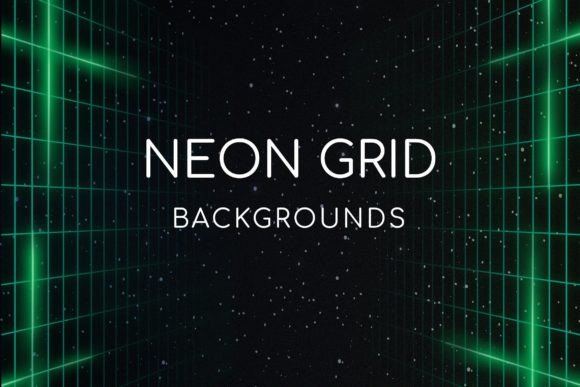
In the rapidly evolving landscape of digital visual communication, the demand for striking, high-impact imagery has never been greater. As brands, creators, and marketers strive to capture attention in an increasingly saturated online environment, the aesthetic choices they make play a pivotal role in defining their identity. Among the most compelling visual trends emerging in recent years is the Neon Grid. This design motif, characterized by glowing lines, vibrant contrasts, and a distinct retro-futuristic vibe, has transcended its niche origins to become a staple in modern web design, advertising, and multimedia projects. Understanding the utility and appeal of Neon Grid backgrounds is essential for professionals looking to infuse their work with energy, depth, and contemporary flair.
The Resurgence of Retro-Futurism in Modern Design
The popularity of Neon Grid aesthetics is not merely a fleeting trend but a reflection of broader cultural and technological currents. We are currently witnessing a significant revival of 1980s and 1990s visual languages, often referred to as synthwave or vaporwave aesthetics. This resurgence is driven by a collective nostalgia for the early days of digital technology, combined with a forward-looking fascination with cyberpunk and virtual reality concepts. For designers and entrepreneurs, leveraging this aesthetic allows them to tap into a powerful emotional resonance that appeals to both older generations who remember the era and younger audiences who discover it through modern media.
However, the application of Neon Grid extends beyond nostalgia. It represents a shift towards more dynamic, immersive digital experiences. In an age where flat design has dominated user interfaces for over a decade, there is a growing appetite for depth, texture, and luminosity. Neon grids provide exactly that. They offer a structured yet vibrant framework that can guide the viewer’s eye, create a sense of three-dimensional space, and add a layer of sophistication to otherwise static compositions. This makes them particularly effective for tech startups, gaming communities, music events, and creative portfolios that wish to project an image of innovation and cutting-edge relevance.
Practical Applications Across Industries
The versatility of Neon Grid elements makes them suitable for a wide array of professional applications. For web designers, these backgrounds can serve as the foundation for landing pages, hero sections, or interactive modules. The inherent structure of a grid provides a natural alignment system, making it easier to organize content while maintaining visual interest. When used correctly, a neon grid background can enhance readability by providing contrast without overwhelming the foreground text, provided that opacity and color balance are managed effectively.
In the realm of marketing and advertising, Neon Grid graphics are invaluable for creating eye-catching banners and social media posts. The high-contrast nature of neon colors ensures that designs stand out in crowded feeds, increasing click-through rates and engagement. For event promoters, particularly those organizing music festivals, club nights, or tech conferences, these visuals instantly communicate the energy and atmosphere of the event. Posters and digital flyers utilizing neon grids convey a sense of excitement and modernity that resonates with target audiences seeking vibrant experiences.
Furthermore, content creators and freelancers can utilize these assets to elevate their personal branding. Whether designing YouTube thumbnails, podcast cover art, or presentation decks, incorporating Neon Grid elements can help establish a consistent and memorable visual identity. The ability to customize these elements allows creators to tailor the aesthetic to their specific niche, whether it be gaming, finance, education, or lifestyle.
Enhancing Workflow with Premium Design Assets
While the conceptual appeal of Neon Grid is clear, the practical challenge for many professionals lies in execution. Creating high-quality, scalable neon effects from scratch can be time-consuming and technically demanding. It requires a deep understanding of layer styles, blending modes, and color theory to achieve the desired glow and depth. This is where curated design sets become indispensable tools for efficient workflow management. By utilizing pre-made, professionally crafted assets, designers can significantly reduce production time while ensuring high-quality results.
Consider the value of a comprehensive design package that includes original Neon Grid sets. Such resources typically offer a combination of premade backgrounds and separate, modular elements. This modularity is key to creative flexibility. Instead of being locked into a single static image, designers can mix and match components to create unique compositions tailored to specific project requirements. This approach not only saves time but also encourages experimentation, allowing for the creation of bespoke visuals that do not look like generic templates.
What Is Included in Professional Neon Grid Sets
To maximize the utility of these design resources, it is important to understand what constitutes a high-value asset package. A robust Neon Grid collection should provide everything needed for immediate implementation and further customization. Typically, such a package includes:
- Two Original Design Sets: These form the core of the package, offering distinct stylistic variations. One set might focus on classic perspective grids, while the other could explore abstract geometric patterns, providing diversity in visual tone.
- Eight Premade Backgrounds: Delivered in high-resolution .png format, these ready-to-use backgrounds allow for instant deployment in projects where time is of the essence. They are ideal for quick mockups, social media posts, or background layers in video editing.
- Seven Separate Elements: Also in .png format, these individual components—such as glowing lines, corner accents, or floating geometric shapes—enable designers to build custom layouts. This level of granularity supports unique compositions that align perfectly with specific brand guidelines.
- High-Resolution Specifications: With dimensions of 6000x4000 pixels and a DPI of 72, these assets are optimized for digital media. The large canvas size ensures that images remain crisp and clear even when scaled down for various devices or cropped for different aspect ratios.
- Well-Organized PSD Files: For those who require deeper customization, the inclusion of .psd files with well-organized layers is crucial. This allows designers to adjust colors, modify glow intensities, rearrange elements, and integrate their own content seamlessly. The ability to edit layers quickly transforms a static asset into a dynamic design tool.
The Strategic Advantage of Modular Design
The inclusion of both premade backgrounds and separate elements in a Neon Grid package addresses the changing needs of modern creative workflows. Today’s designers often work under tight deadlines and must produce content for multiple platforms simultaneously. The ability to start with a premade background for a quick turnaround, while having the option to deconstruct and rebuild the design using separate elements for a more customized client deliverable, offers a strategic advantage. This hybrid approach balances efficiency with creativity.
Moreover, the technical quality of these assets ensures compatibility across various software environments. The use of standard formats like .png and .psd means that these files can be easily integrated into Adobe Photoshop, Illustrator, After Effects, and other major design tools. This interoperability is essential for teams collaborating across different disciplines, such as graphic designers, video editors, and web developers.
Future-Proofing Your Visual Identity
As digital interfaces continue to evolve, the importance of distinctive visual branding will only grow. The Neon Grid aesthetic, with its roots in both retro nostalgia and futuristic speculation, offers a timeless yet contemporary look that can adapt to various trends. By investing in high-quality, versatile design assets now, professionals can future-proof their visual libraries. These assets can be reused, remixed, and repurposed across countless projects, providing long-term value far beyond their initial cost.
In conclusion, the integration of Neon Grid backgrounds and elements into your design toolkit is more than just a stylistic choice; it is a strategic decision to enhance visual impact, streamline workflow, and connect with audiences on a deeper emotional level. Whether you are a freelancer looking to standout in a competitive market, a marketer aiming to boost engagement, or a creator seeking to express a bold vision, these resources provide the foundation for stunning, professional-grade visuals. By leveraging the flexibility and quality of comprehensive design sets, you can unlock new possibilities in your creative projects and stay ahead in the dynamic world of digital design.
For those ready to elevate their next project, exploring a curated collection of Neon Grid assets offers a practical step towards achieving polished, high-impact results. The combination of aesthetic appeal and functional versatility makes these tools an essential addition to any modern designer’s repertoire.