The Enduring Power of Business Cards in a Digital-First World
In an era dominated by instant messaging, social media connections, and digital contact sharing, the physical business card might seem like an artifact of a bygone corporate age. However, the opposite is true. As our interactions become increasingly transient and screen-mediated, the tangible weight of a well-designed card has gained new significance. It is no longer just a vessel for phone numbers; it is a tactile extension of personal branding, a conversation starter, and a memorable physical anchor in a sea of digital noise. For professionals, entrepreneurs, and creatives alike, investing in a high-quality business cards set is not about clinging to tradition, but about leveraging a powerful tool for connection.
Elevating First Impressions with Modern Design Aesthetics
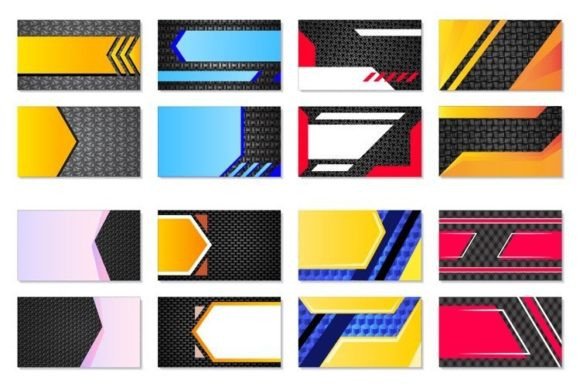
The perception of business cards has shifted dramatically. Gone are the days of flimsy, generic white rectangles with standard black typography. Today’s expectations demand sophistication, creativity, and alignment with one’s professional identity. This is where the value of a curated collection of modern, solid, luxury templates becomes apparent. These designs are not merely functional; they are artistic statements that communicate quality before a single word is spoken.
Modern design trends favor minimalism paired with depth. Consider the impact of dark textures combined with geometric simple elements. This aesthetic choice conveys stability, elegance, and modernity. Dark backgrounds, often associated with premium brands, provide a striking contrast for metallic accents or crisp white text, ensuring readability while exuding luxury. The inclusion of soft gradients adds a layer of visual interest without overwhelming the viewer, creating a sense of movement and dynamism within a static object.
When you utilize a card vector design collection, you are accessing a library of professionally balanced layouts. These templates are engineered with precise copy space for text, contacts, and logo, ensuring that your essential information is never cramped or illegible. The balance between negative space and content is crucial; it guides the eye naturally from your name to your role, and finally to your contact details, creating a seamless visual journey.
Versatility Across Industries and Professions
One of the most compelling aspects of contemporary business card templates is their versatility. Whether you are a freelance graphic designer, a real estate agent, a tech startup founder, or a consultant, there is a design language that speaks to your specific audience. The back and front sides of these cards offer dual opportunities for engagement. The front might feature a bold, minimalist logo against a textured dark background, establishing immediate brand recognition. The back can then provide detailed contact information, arranged with geometric precision to maintain the clean aesthetic.
For creators and bloggers, these cards serve as portable portfolios. A QR code integrated into the geometric design can link directly to an online portfolio, Instagram feed, or latest project, bridging the gap between the physical and digital worlds. For corporate professionals, the solidity of the design reflects reliability and attention to detail. The ability to add your logo, contacts, addresses, Web sites, and other information means that every card is fully customizable to reflect current roles and projects, making them relevant regardless of career stage.
Even in educational and non-profit sectors, the impact of a well-designed card cannot be understated. It signals professionalism and respect for the recipient’s time. When handing over a card that feels substantial and looks meticulously designed, you are implicitly communicating that you value quality in your work. This subtle psychological cue can be the differentiator in competitive networking environments.
The Technical Advantage of Vector-Based Collections
From a practical standpoint, the format in which you receive your design assets is critical. High-quality template collections typically include a range of file formats: PNG, JPG, AI, EPS, and SVG. Understanding the utility of each ensures that you can produce cards that look exactly as intended, regardless of the printing method used.
- AI and EPS files: These are vector-based formats, meaning they use mathematical paths rather than pixels. This allows for infinite scalability without loss of quality. When sending files to a professional printer, vector formats ensure that your logos and geometric elements remain crisp and sharp, even at high resolutions. They also allow for easy editing of colors and shapes if you need to tweak the design to match specific brand guidelines.
- SVG files: Scalable Vector Graphics are ideal for web use. If you plan to display a digital version of your card on your website or in email signatures, SVGs provide perfect clarity on all screen sizes, from mobile devices to large desktop monitors.
- PNG and JPG files: These raster formats are useful for quick previews, digital sharing, or when working with software that does not support vector editing. High-resolution PNGs with transparent backgrounds are particularly useful for overlaying your logo onto other marketing materials.
Having access to this comprehensive suite of files empowers users to maintain consistency across all touchpoints. You are not limited to a single use case; you can adapt your business cards set for print, web, and presentation decks, ensuring a cohesive brand identity.
Navigating the Shift in Networking Habits
Current trends in networking highlight a hybrid approach. While digital tools like LinkedIn and NFC-enabled cards are rising, they have not replaced the physical card; rather, they have complemented it. The physical card acts as a memorable token after a digital connection is made. It provides a tangible reminder of the interaction, something that a digital notification cannot replicate.
Moreover, the rise of remote work and virtual conferences has created a renewed appreciation for physical mail and tangible artifacts. Sending a beautifully designed card after a virtual meeting can leave a lasting impression, breaking through the digital fatigue that many professionals experience. The luxury templates with their dark textures and soft gradients stand out in a mailbox just as much as they do in a hand-to-hand exchange.
This shift also reflects a broader lifestyle preference for authenticity and craftsmanship. In a world of mass-produced digital content, items that exhibit thoughtful design and physical presence are valued more highly. A business card that feels good to hold, with its textured finish and balanced weight, aligns with this desire for quality and intentionality.
Practical Steps for Implementing Your Design
To maximize the impact of your chosen template, consider the following practical steps:
- Select the Right Paper Stock: The design is only half the equation. Pair your dark textured design with a high-quality, heavy-weight paper stock. Matte finishes often complement dark backgrounds well, reducing glare and enhancing the tactile experience.
- Proofread Rigorously: With limited copy space, every character counts. Ensure that your name, title, and contact details are error-free. Use the geometric elements to guide the hierarchy of information, making sure the most critical details are the most prominent.
- Integrate Digital Links Wisely: If including a QR code or website URL, ensure it is short and trackable. This allows you to measure the effectiveness of your cards and understand how many recipients are engaging with your digital presence.
- Consistency is Key: Ensure that the fonts and colors used on your card match your other branding materials. This reinforces brand recognition and creates a professional, unified image.
In conclusion, the business card remains a vital tool in the professional toolkit. By leveraging modern, luxury templates with sophisticated design elements like dark textures and geometric simplicity, you can create a powerful first impression. The availability of versatile file formats ensures that your design is ready for any application, while the tactile nature of the card provides a unique advantage in an increasingly digital world. Investing in a high-quality business cards set is an investment in your professional identity, signaling to the world that you value quality, detail, and meaningful connection.