Watercolor Graphics PNG: A Practical Guide to High-Resolution Clip Art
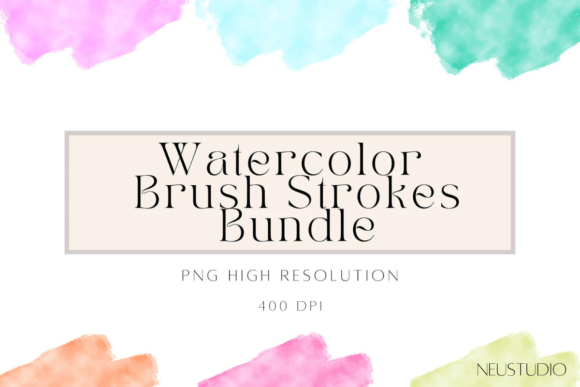
In the evolving landscape of digital design, the demand for authentic, hand-crafted aesthetics has grown significantly. Among the most versatile resources available to designers, marketers, and hobbyists are Watercolor Graphics PNG files. Specifically, bundles offering high-resolution elements, such as a collection of 32 colorful watercolor brush strokes, provide a foundational toolkit for creating visually engaging content. These assets are characterized by their transparent backgrounds, high DPI (dots per inch), and large pixel dimensions, making them suitable for both digital and print applications. Understanding the technical specifications and practical applications of these graphics is essential for determining whether they align with your specific creative goals.
Understanding the Technical Specifications
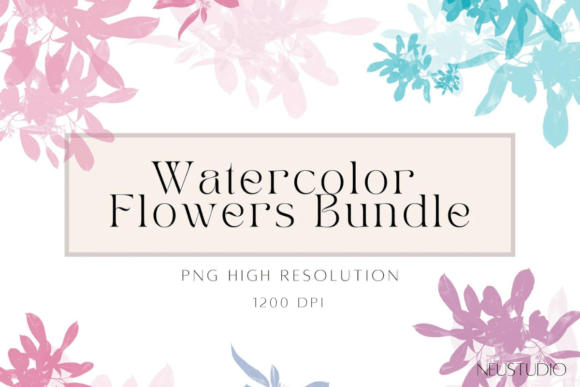
When evaluating digital art assets, technical quality is paramount. The term "Watercolor Graphics PNG" refers to image files saved in the Portable Network Graphics format, which supports lossless compression and, crucially, transparency. This transparency allows designers to layer watercolor elements over other images, text, or colored backgrounds without visible white boxes or jagged edges around the artwork.
The specific bundle under discussion features files with a resolution of 3000 pixels and a density of 400 DPI. To put this in perspective, standard web graphics often range from 72 to 96 DPI, while professional print materials typically require 300 DPI. At 400 DPI, these watercolor brush strokes exceed standard printing requirements, ensuring that the texture of the paper and the fluidity of the paint remain crisp and detailed, even when scaled up for large-format prints like posters or wedding flyers. This high resolution mitigates the risk of pixelation, a common issue when using lower-quality clip art in professional projects.
Versatility in Creative Applications
The primary appeal of this watercolor clip art bundle lies in its versatility. Because the elements are abstract brush strokes rather than specific objects, they can be adapted to a wide variety of design contexts. Here are several key areas where these graphics prove particularly effective:
- Typography and Quotes: Watercolor backgrounds provide a soft, organic contrast to sharp, clean typography. Designers often place inspirational quotes or headings over these brush strokes to create visual interest without overwhelming the text.
- Wedding and Event Stationery: The romantic and fluid nature of watercolor makes it a staple in wedding invitations, save-the-dates, and menus. The transparent PNG format allows for easy integration into complex layout designs.
- Branding and Identity: For businesses aiming for a boutique, artisanal, or gentle brand image, watercolor elements can be incorporated into logos, business cards, and letterheads. They add a human touch that vector-based geometric logos often lack.
- Digital Content Creation: Social media posts, digital stickers, and web banners benefit from the vibrant colors and dynamic shapes of watercolor brushes. They help break up text-heavy feeds and attract attention in crowded digital spaces.
Benefits of Using Pre-Made Watercolor Elements
Creating original watercolor artwork requires significant skill, time, and materials. Artists must manage paint consistency, paper texture, and drying times, followed by the technical process of scanning and editing the images. By utilizing a pre-made Watercolor Elements Clip Art Bundle, users bypass these hurdles. The immediate benefit is efficiency; designers can drag and drop high-quality elements into their projects, significantly reducing production time.
Furthermore, consistency is easier to maintain when working within a single bundle. Since all 32 brush strokes are created with similar techniques and color palettes, they naturally harmonize when combined. This coherence is vital for branding projects where visual uniformity is required across various touchpoints.
Considerations and Tradeoffs
While high-resolution watercolor PNGs offer numerous advantages, they are not a universal solution for every design challenge. It is important to consider the tradeoffs involved.
File Size and Performance: High-resolution images at 400 DPI result in larger file sizes. For web design, using uncompressed or overly large PNGs can slow down page load times, negatively impacting user experience and SEO rankings. Designers must optimize these files for web use, potentially converting them to WebP or JPEG formats after resizing them to the necessary display dimensions.
Lack of Customization: While you can change the opacity or blend modes of a PNG, you cannot easily alter the fundamental shape or color distribution of a pre-rendered brush stroke as you could with a vector file or a live Photoshop brush. If a project requires a very specific color match or a unique shape not present in the bundle, users may find themselves limited.
Overuse and Trend Fatigue: Watercolor aesthetics have been popular for several years. There is a risk of designs looking generic if these common clip art elements are used without additional customization or unique compositional strategies. Designers should aim to combine these elements with other graphics, textures, or typography to create original compositions.
When to Choose Watercolor PNGs vs. Alternatives
Deciding whether to use this bundle depends on the specific requirements of your project. Here is a comparative overview to aid in decision-making:
Choose Watercolor PNGs when:
- You need quick, high-quality textures for print materials like invitations or brochures.
- You want an organic, hand-painted look without the learning curve of digital painting.
- Your project involves layering elements over complex backgrounds where transparency is essential.
Consider Alternatives when:
- You are designing for large-scale signage where vector graphics (SVG, EPS) would offer infinite scalability without any loss of quality.
- You require precise color matching for corporate branding, where Pantone-matched vectors are more appropriate.
- You are working on a minimalist, modern tech brand where the softness of watercolor might conflict with the desired aesthetic.
Practical Tips for Implementation
To maximize the value of your Watercolor Graphics PNG bundle, consider the following best practices. First, always check the license agreement. While many bundles allow for commercial use, some may have restrictions on the number of end products or require attribution. Ensuring compliance protects your business from legal issues.
Second, experiment with blend modes in your design software. Modes such as "Multiply," "Overlay," or "Screen" can interact with the underlying layers to create unique effects, making the watercolor appear as if it was painted directly onto the background. This technique adds depth and realism to digital compositions.
Finally, do not hesitate to combine these brush strokes with other clip art elements. Layering multiple strokes can create custom backgrounds or frames that are unique to your project. By rotating, resizing, and adjusting the opacity of individual elements, you can transform a standard bundle into a bespoke design asset.
Conclusion
The Watercolor Elements Clip Art Bundle featuring 32 high-resolution brush strokes offers a valuable resource for designers seeking efficiency and aesthetic appeal. With their 3000 px dimensions and 400 DPI resolution, these files are well-suited for both digital and print media, from social media graphics to wedding invitations. However, successful implementation requires an understanding of file optimization, licensing, and design principles. By weighing the benefits of convenience against the limitations of pre-made assets, creators can determine if these watercolor graphics align with their project needs. When used thoughtfully, they provide a powerful tool for adding warmth, texture, and artistic flair to a wide range of creative endeavors.